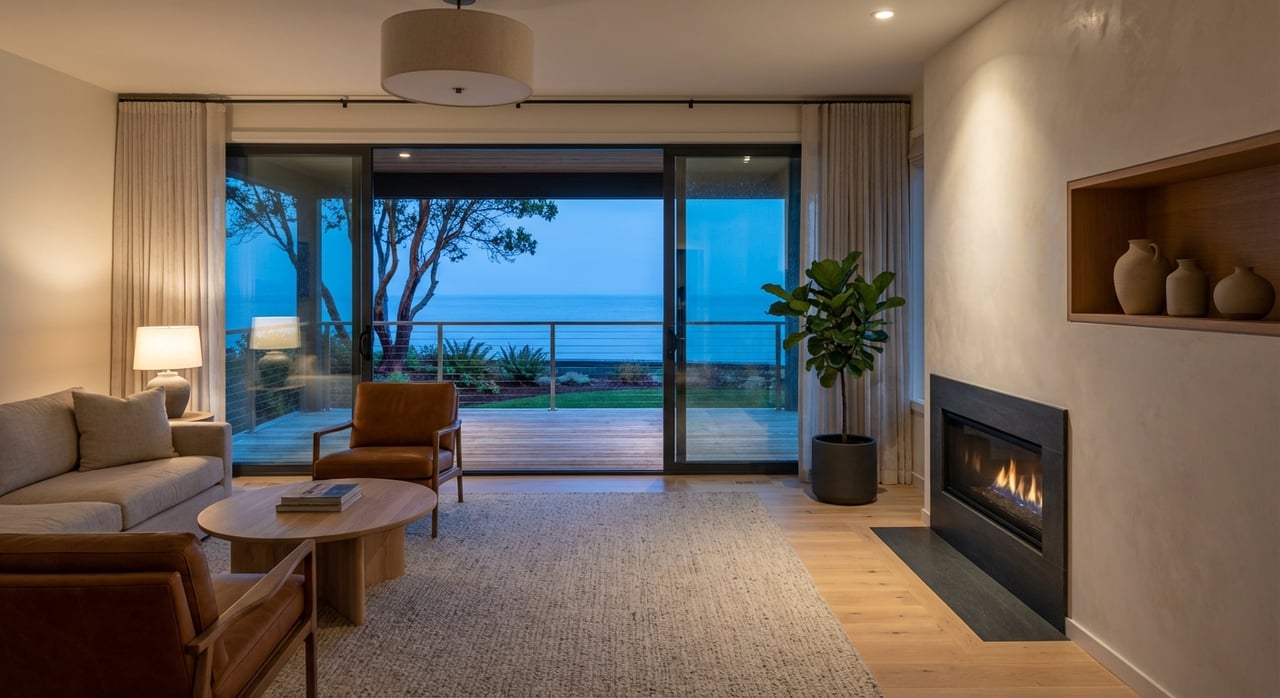
You live in a place where sunsets melt into Puget Sound and morning light dances across the water. The right coastal design can make every day in Pleasant Beach feel like a mini retreat, whether you’re settling in long term or preparing to sell. In this guide, you’ll learn palettes, materials, layouts and outdoor ideas that suit Bainbridge Island’s climate and shoreline rules, plus simple maintenance and staging tips. Let’s dive in.
Start with the setting
Pleasant Beach sits on the south end of Bainbridge Island, with pocket beaches, nearby Fort Ward Park, and the dining and boutique scene of Pleasant Beach Village/Lynwood Center close at hand. The neighborhood’s identity is all about saltwater views and easy access to the shoreline, which makes the indoor-outdoor flow a top design priority. For context on the local lifestyle and amenities, explore the area’s highlights through the island’s visitor resources at Pleasant Beach and nearby cottages.
Bainbridge Island’s climate is temperate and marine, with wet winters and relatively dry summers. Annual precipitation averages around 50 inches, so interiors that manage moisture well and maximize daylight perform best here. If you are choosing finishes or planning updates, it helps to understand the local weather patterns documented in the Bainbridge Island climate profile.
Coastal palettes that fit PNW light
Keep walls calm, layer accents
Start with misty neutrals that echo the shoreline. Soft grays, warm greiges, foggy whites and light oatmeal create a calm base that lets the view lead. Add restrained sea-glass aquas or muted teals as accents in art, pillows or a powder room. Use deeper navy or charcoal as an anchor on a media cabinet or interior door for quiet contrast.
Warmth from wood and matte finishes
Weathered wood tones, bleached or wire-brushed oak and whitewashed accents read coastal without feeling theme-y. In wet areas, choose honed stone or matte porcelain tile. Matte finishes photograph beautifully in our diffused coastal light and hide smudges better than high-gloss surfaces.
Avoid the “touristy” look
Resist piling on shells and nautical props. A rope detail on a mirror, a driftwood coffee table or a local seascape does more for atmosphere than a room full of anchors and life preservers. The goal is relaxed, natural and quietly luxurious.
Furnishings that handle moisture and salt
Upholstery that resists mildew and fading
For window seats, breakfast nooks and outdoor-adjacent rooms, choose performance fabrics designed for marine or outdoor use. Solution-dyed acrylics are the standard for fade and mildew resistance and are widely available through many brands. You can learn more about performance textiles like Sunbrella in this overview of outdoor fabric technology.
Rugs in sisal-look weaves, indoor-outdoor flatweaves or wool with a low pile handle humidity better and are easier to clean after a sandy day at Lytle Beach or Fort Ward.
Metals, decks and railings that last
Salt air accelerates corrosion. For exposed metal, specify marine-grade alloys. Ask your contractor to use 316 or 316L stainless for exterior fasteners, cable rail systems and hardware, which better resist chloride-induced pitting than common 304 stainless. For a quick primer, see the material properties of 316 stainless in coastal exposure.
For decking and outdoor furniture, prioritize low-maintenance options like high-quality composite or recycled HDPE decking and powder-coated aluminum frames. These keep their appearance in wet winters and near salt spray with less upkeep than softwoods.
Layout and lighting to frame the view
Arrange seating to the water
Make the water your focal point. Float your sofa to face the view and pair it with two chairs angled slightly toward the glazing. Keep a clear path from the entry to the windows so the first thing you see is the Sound. Use low-profile pieces near the window wall to keep the horizon line open.
Window treatments that disappear
Choose minimal, moisture-tolerant treatments. Motorized roller shades or narrow-profile sheers vanish when retracted and reduce visual clutter. In bedrooms and media rooms, layer a light-filtering day shade with a slim blackout layer for privacy without blocking the view during the day.
Lighting that flatters sunsets and evenings
Layer your lighting so rooms feel warm after sunset and show beautifully in photos. Combine discrete recessed lighting with dimmable sconces and table lamps to create pools of glow that complement the evening sky. When listing, plan at least one photo set during golden hour to capture the water’s color.
Staging moves that buyers notice
If you are preparing to sell, focus your efforts on the living room, kitchen and primary bedroom. Declutter, depersonalize and neutralize strong wall colors. The National Association of REALTORS reports that effective staging helps buyers visualize a property as their future home and can shorten time on market. You can review the findings in the NAR staging study.
Outdoor living that works year-round
Create sheltered, flexible zones
Design outdoor rooms that extend your main living area. A covered porch or pergola, a wind-sheltered seating nook and flexible modular furniture let you adapt for two or twelve. Add layered heat with a gas fire table or ceiling-mounted heaters so the space is comfortable beyond summer.
Railings and hardware that protect views
Where allowed, use clear glass or thin-profile railings to keep sightlines open. Pair them with powder-coated aluminum posts and marine-grade fasteners. Choose neutral-toned composites underfoot to reduce maintenance and glare.
Before you build the perfect waterfront deck: Bainbridge Island’s shorelines are regulated, and shoreline jurisdiction typically extends landward about 200 feet from the ordinary high-water mark. The City emphasizes soft-shore and bioengineered solutions and limits new hard armoring. If you are considering docks, seawalls or major grading, review the City’s rules and permits in the Bainbridge Island Shoreline Master Program early in planning.
Plantings and shoreline stewardship
Native, salt-tolerant plants can improve stability and habitat while keeping maintenance reasonable. On bluffs and nearshore zones, designers often use salal, evergreen huckleberry and shore-tolerant grasses or sedges, placed by microclimate. For practical resources on native and erosion-control plantings around Puget Sound, explore the conservation district’s coastal planting guidance.
If you manage erosion, start with softer measures before hard engineering. Healthy coastal buffers and bioengineered approaches support long-term shoreline function while protecting your view and property. When in doubt, consult the City’s shoreline guidance before proposing permanent structures.
Maintenance and resilience made simple
Coastal homes ask for a little more attention. Build these habits into your calendar:
- Rinse exposed metal railings and hardware quarterly to remove salt deposits. Inspect fasteners and seals annually.
- Use high-quality exterior primers and paints designed for marine environments and prep surfaces by removing salt residue before repainting.
- Choose insulated low-E glazing for large view windows to reduce heat loss and gain while preserving the outlook. Review why low-E double or triple glazing improves performance in the Penn State and DOE overview.
- Plan for changing conditions. The City identifies sea-level rise and heavier precipitation as key issues to consider in siting, grading and stormwater planning. Learn more at the City’s Preparing for Climate Change page.
Quick Pleasant Beach checklist
Use this shortlist to refresh a home for everyday enjoyment or pre-market polish:
- Neutralize walls with soft whites or warm grays, then add one sea-toned accent in textiles or art.
- Float seating so the view is the star; lower furniture profiles near windows.
- Dress windows with discreet roller shades or sheers that vanish when open.
- Stage the living room, kitchen and primary suite first. Edit accessories and display a few local art pieces.
- Set outdoor spaces like rooms: comfortable seating, layered lighting, one sculptural planter, and a heat source.
- For upgrades, favor low-maintenance wins: fresh exterior paint, updated porch or fascia lighting, and new performance cushions.
- For shoreline or major exterior projects, confirm City rules and permits before you begin.
Ready to tailor your home?
Whether you are curating a serene year-round retreat or preparing to list, design choices that respect Bainbridge Island’s climate and shoreline will reward you every day. Our team pairs in-house design and integrated staging with deep local market expertise to elevate presentation and outcomes. If you would like a personalized plan for your Pleasant Beach home, connect with us at The Agency Bainbridge Island - Main Site to schedule a private consultation.
FAQs
How can I maximize my Pleasant Beach water view without remodeling?
- Reorient seating toward the view, remove window obstructions, use low-profile pieces near glazing, and swap heavy drapery for minimal roller shades or sheers.
What window treatments work best for Bainbridge’s moist climate?
- Choose moisture-tolerant roller shades or narrow sheers that retract cleanly; layer with a slim blackout for privacy where needed.
Will my deck and railings hold up to salt air in Pleasant Beach?
- Specify powder-coated aluminum or composite systems and ask for 316 or 316L stainless fasteners to resist corrosion in marine environments.
Do I need permits to add a dock or seawall on Bainbridge Island?
- Yes. Shorelines are regulated, and many modifications require review; start with the City’s Shoreline Master Program and consult early.
What plants work near the water without harming the shoreline?
- Use native, salt-tolerant species and softer stabilization methods; consult regional resources like the coastal planting guidance hub for site-appropriate choices.
Are large view windows energy efficient in 98110’s climate?
- Yes, when you specify insulated low-E units; they reduce heat loss and gain while preserving views, as outlined in this low-E glazing guide.