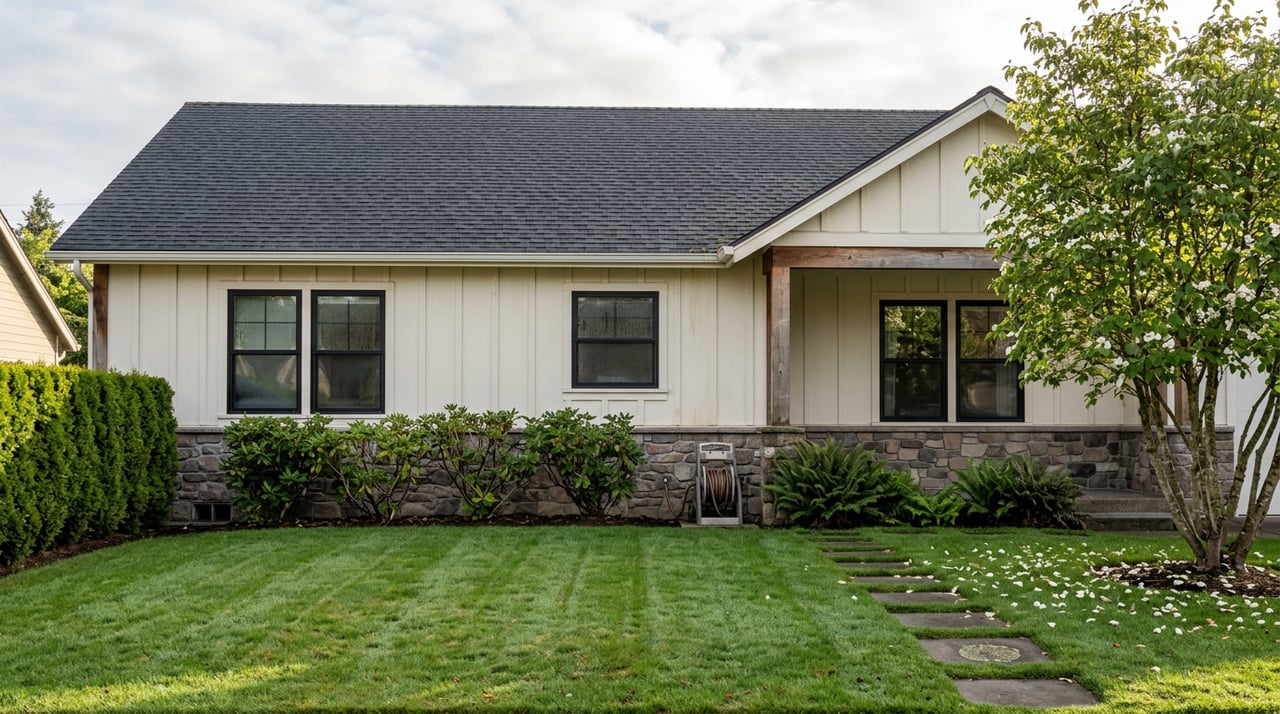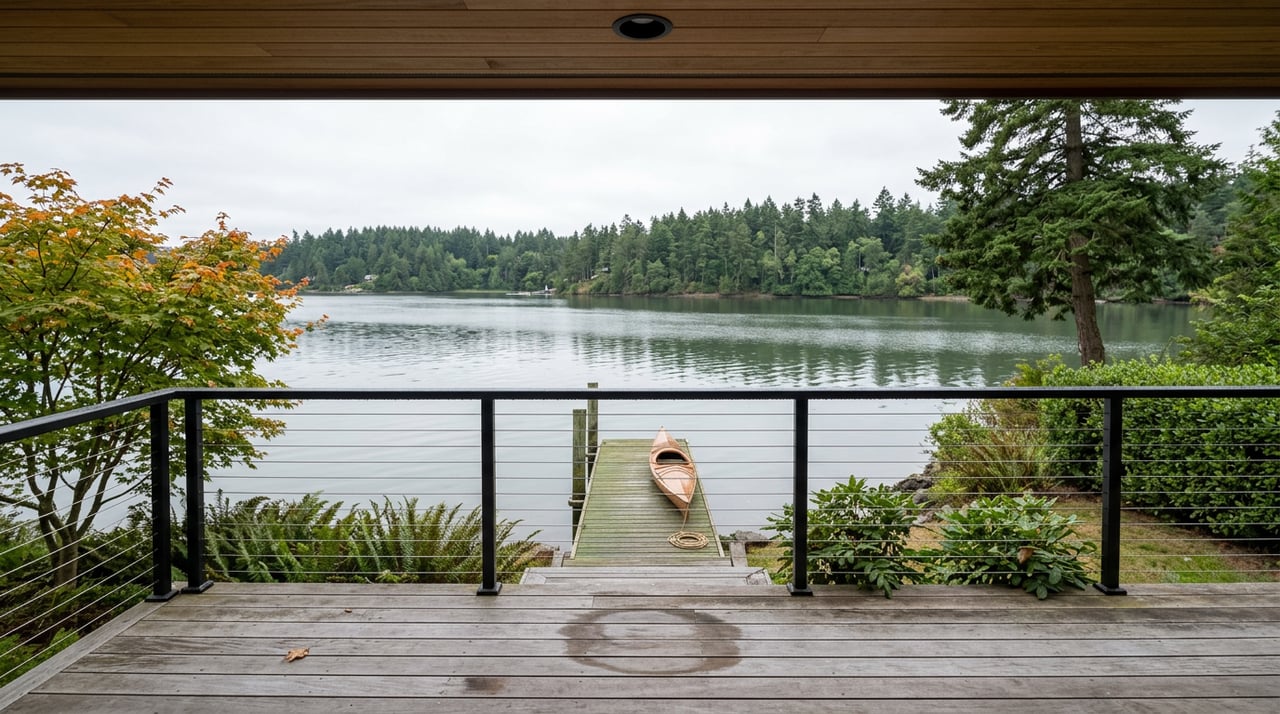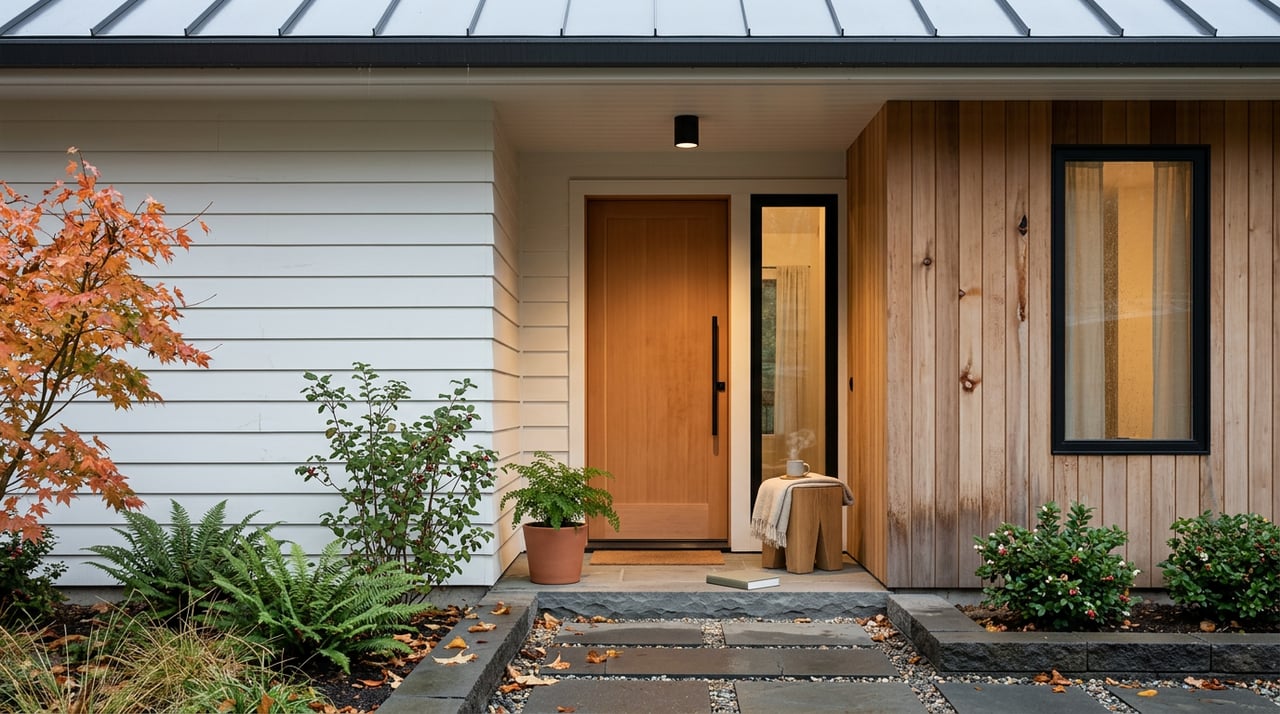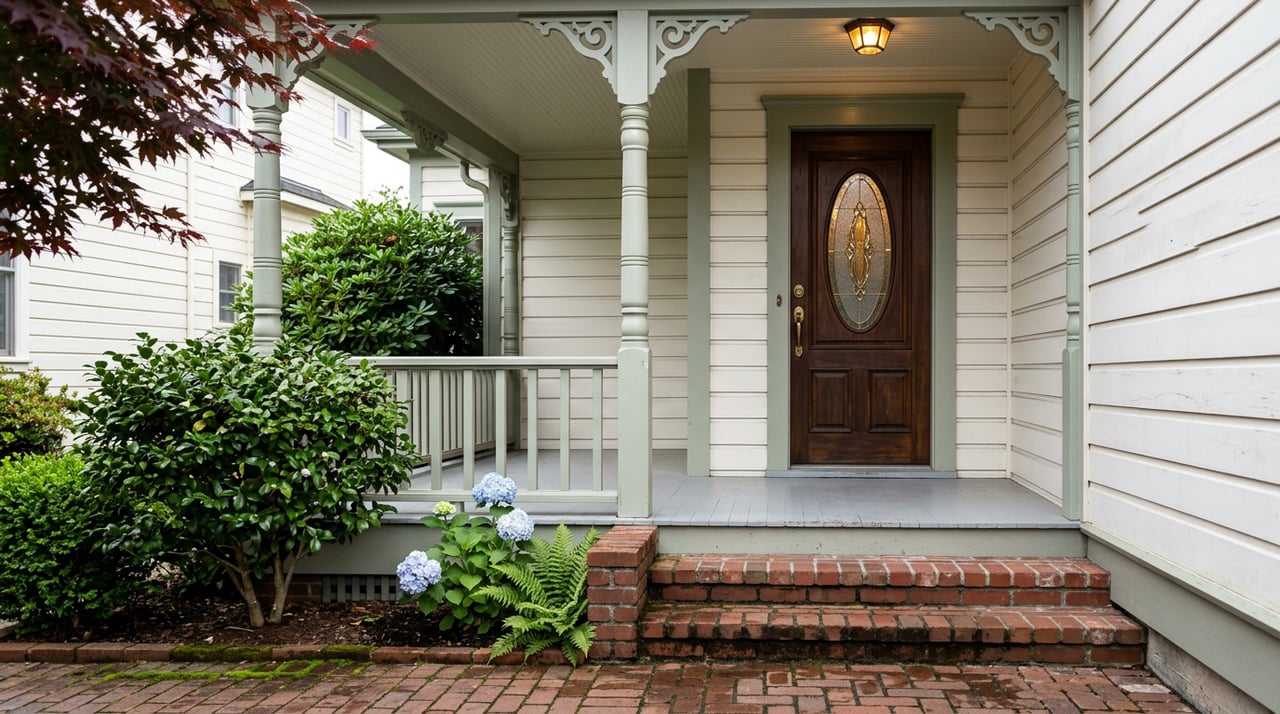
You step onto a wide front porch, coffee warming your hands as the gulls call and the bay breathes in and out. Ornate trim frames the morning light, and Water Street is a short stroll away. If you are drawn to Victorian character and a salt‑air lifestyle, Port Townsend offers both in daily, livable ways. In this guide, you will learn how the town’s historic fabric came to be, what coastal living looks like here, and how to plan for ownership with confidence. Let’s dive in.
Why Port Townsend feels Victorian
Port Townsend’s core is part of the Port Townsend Historic District, a National Historic Landmark district recognized for its late‑19th‑century architecture and seaport plan. The 1880s building boom, followed by a slower economic period, left a remarkable number of original buildings in place. You see it in the steep gables, turreted corners, and detailed woodwork that line the streets near the waterfront. The result is a walkable Victorian seaport, where preserved architecture and maritime life shape your everyday routine. Learn more about the district’s significance through the Port Townsend Historic District overview.
Days and weekends here
Picture a morning stroll along Water Street, windows bright with independent shops and the harbor just beyond. On the water, boats settle into their slips and the breeze builds through Point Hudson. Each September, the town’s identity comes into full view at the Wooden Boat Festival, when classic craft, seminars, and community gatherings fill the shoreline.
When you want open space, head to Fort Worden Historical State Park for beach walks, trails, and cultural programs. Downtown remains lively beyond summer with local theatre and film events, so you always have a reason to linger after dinner. Weekdays feel neighborly and unhurried. Weekends invite you to slow down even more.
What makes a Victorian home here special
Many local homes reflect late‑Victorian styles such as Queen Anne and Eastlake or Stick. You notice steep rooflines, bay windows, turned posts, spindlework, and carved brackets. In Port Townsend, these features are often considered character‑defining and are part of why the town looks and feels so cohesive. If you plan changes to a facade or porch, expect a thoughtful design review to help keep that shared character intact through the City’s Historic Preservation Committee.
Owning a Victorian here: what to expect
Historic homes reward steady care. In a marine climate, moisture management and paint cycles matter. The National Park Service outlines practical, repair‑first approaches to windows, doors, porches, and exterior finishes that preserve character while improving comfort. For a helpful technical overview, see the NPS guidance on weatherization and preservation.
Inspection and maintenance checklist
- Roofing, flashing, gutters, and site drainage. Keep water out and away from the foundation to prevent rot and interior damage.
- Porches and trim. Repair deteriorated sections in kind. NPS briefs emphasize targeted repair over full replacement to retain original details.
- Windows and energy. Many historic windows are repairable and can work well with quality storm windows and careful weather‑sealing.
- Electrical, plumbing, and heat systems. Plan for modern service panels and selective upgrades that respect historic fabric.
- Lead safety. Most Victorians pre‑date 1978. If you disturb painted surfaces, follow the EPA’s Renovation, Repair and Painting rules and use certified contractors.
- Seismic planning. Basic retrofits like bolting and cripple‑wall bracing are prudent in Washington. Coordinate with preservation‑minded pros to balance safety and character.
Rules, permits, and incentives that matter
Design review and permits
If the property is within the local historic overlay, exterior changes that are visible from the street often require design review. Start early with the Historic Preservation Committee resources to understand applicable guidelines, timelines, and submittal steps. For building permits and records, your first stop is the City’s Planning & Community Development team.
Special tax valuation for rehabilitation
Washington State offers a potential property‑tax incentive called Special Tax Valuation, which can exclude approved rehabilitation costs from assessed value for up to ten years. Availability depends on local adoption and review. Review the program details with the state’s DAHP Special Tax Valuation guide, then confirm current eligibility with the City and the county assessor.
Flood and shoreline considerations
Shoreline parcels and low‑lying areas may be in FEMA‑mapped floodplains. Before you finalize a purchase, check the county’s FEMA FIRM resources for site‑specific risk and consider how basements, crawlspaces, or ground‑level mechanicals could be affected. Start with Jefferson County’s guidance on flood risk and mapping.
Market context and timing
Victorian properties in Port Townsend range widely in price based on location, condition, and views. Some need thoughtful updates and preservation‑minded work, while others are turnkey and meticulously maintained. Because market snapshots shift with the season and the pace of new listings, ask your agent for up‑to‑the‑minute comps and a tailored plan that fits your goals and timeline. A well‑prepared offer with the right due diligence can make all the difference.
Practical next steps
- Confirm whether the property sits in the historic overlay and ask the City’s Historic Preservation Committee about review steps and guidelines.
- Pull building permits and confirm what work was inspected or finaled. The City’s Planning & Community Development page explains how to search records.
- Hire a local home inspector experienced with pre‑1940 wood‑frame houses. Ask about moisture readings, attic and crawlspace conditions, and electrical service.
- Request early insurance quotes. Older wiring, roofs, or wood‑shake materials can affect coverage and timelines for lender requirements.
- Check FEMA flood zones through Jefferson County and consider site‑specific elevation or shoreline context during inspections.
- Ask whether Special Tax Valuation could apply to planned rehabilitation and what documentation is required.
- Review current city utility rates and any planned capital projects that could affect future costs.
Make your move with a local guide
If you want a Victorian with soul and a life anchored by the water, Port Townsend is a rare match. Our team pairs preservation‑minded guidance with design‑forward presentation, including in‑house ASID expertise and integrated staging when you sell. Whether this is your first historic home or a long‑planned second home on the peninsula, we are here to make each step clear and seamless. Ready to explore homes and craft a tailored plan? Schedule a private consultation with The Agency Bainbridge Island - Main Site.
FAQs
Are Victorian houses in Port Townsend expensive to maintain?
- Costs can be higher than newer homes due to specialized carpentry, paint cycles, and appropriate materials, but phased maintenance and repair‑first methods from the National Park Service help control long‑term costs.
Can I paint or change exterior features in the historic district?
- Often yes, with review. Exterior changes that are visible from the street typically require design review through the City’s Historic Preservation Committee under local standards.
Is waterfront property in Port Townsend at high flood risk?
- Some shoreline areas fall within FEMA‑mapped floodplains. Always review Jefferson County’s flood‑risk resources for the specific parcel and factor risk into inspections and insurance planning.