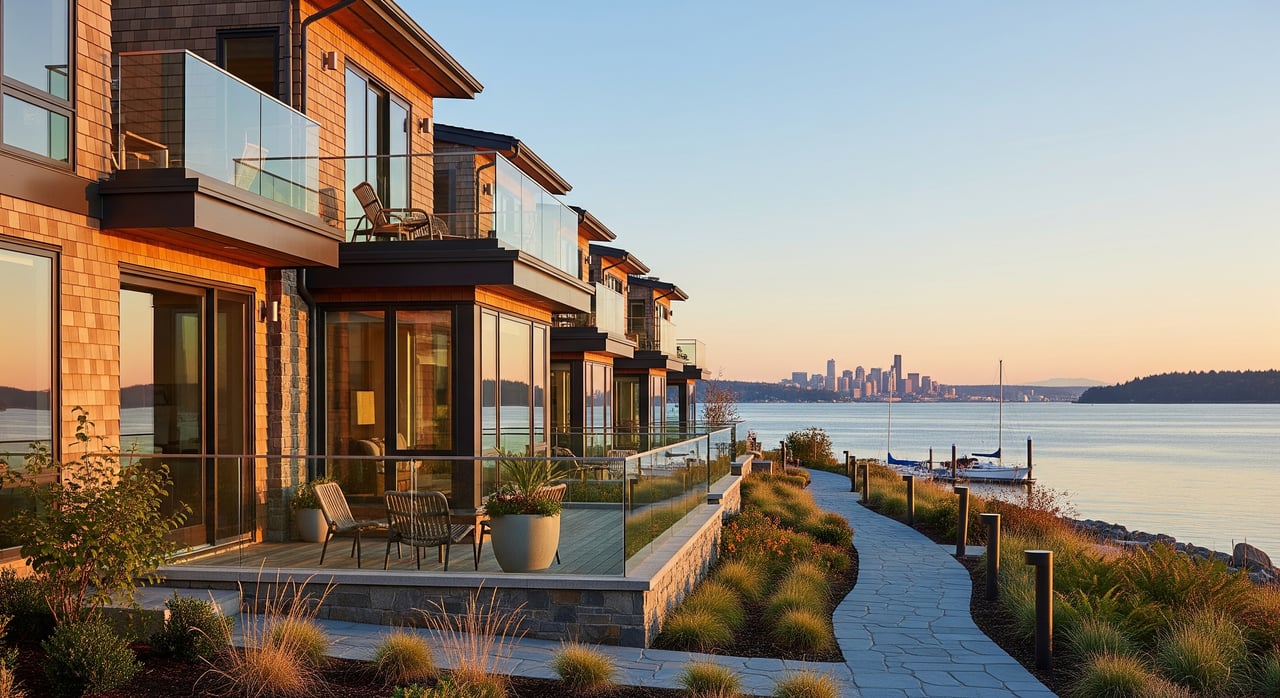
If you want a home that lets you stroll to coffee, pick up dinner, catch a show, and walk onto the Seattle ferry, Winslow makes daily life simple. Whether you are downsizing, buying a lock-and-leave second home, or seeking a commuter-friendly base, condo and townhome living here delivers convenience with an easygoing island rhythm. In this guide, you’ll learn what to expect from Winslow’s buildings and layouts, how HOAs, insurance and maintenance work, commuting and cultural highlights, and smart steps to buy with confidence. Let’s dive in.
Why Winslow works for low-maintenance living
Winslow is Bainbridge Island’s compact downtown and main transit hub, anchored by Winslow Way and the ferry at Eagle Harbor. It is the island’s most walkable area, with shops, restaurants, cultural venues, services and the Washington State Ferries terminal close to many buildings. That mix attracts downsizers, second-home owners, and busy professionals who value proximity and low upkeep.
You will find a competitive market environment because of the location and lifestyle. Inventory is limited and ranges from boutique buildings to newer elevator-served residences with modern finishes. For current pricing and days-on-market, consult up-to-date MLS data and local market reports.
What you can expect in Winslow homes
Building types and age
Downtown Winslow includes small boutique condominium buildings and mixed-use projects with ground-floor retail and homes above. You will also see townhomes and stacked flats as infill near Winslow Way and adjacent streets. Building ages vary from historic or mid-century conversions to newer construction from the 2000s and later. Older buildings may predate current seismic or accessibility standards, so factor that into due diligence.
Layouts and sizes
Typical floor plans include studios and one-bedrooms for streamlined living, with many two-bedroom homes for couples and commuting professionals. A smaller share of three-bedroom options appears in townhome-style residences and larger developments. Valued features include open-plan living, in-unit laundry, efficient kitchens, primary en-suites, storage solutions such as closets or lockers, and private outdoor space like balconies or patios.
Townhomes often provide multi-level living, more storage, and sometimes an attached garage or dedicated parking. If you want separation of spaces, storage for gear, or a garage, a townhome may be a better fit than a stacked condo.
Amenities buyers value
You can expect essentials such as secure entry, assigned or permitted parking, and on-site trash and recycling. Many buildings offer elevators, locked storage, bicycle storage, and guest parking. A few properties include shared roof decks or common garden spaces. Full amenity packages such as gyms or pools are less common in downtown Winslow than in larger suburban-style developments.
Accessibility and mobility
If step-free access matters to you, prioritize buildings with elevators and accessible entries. Many newer projects deliver this, while smaller older buildings may not. Winslow’s sidewalk network supports walking to the ferry, shops and cultural sites, and you will find bike lanes and local bus connections around the core.
HOA, insurance and maintenance essentials
How HOAs work
Most Winslow condos and townhomes belong to a homeowners or condominium association that manages shared elements. You should review foundational documents such as CC&Rs, bylaws, articles, house rules, annual budgets and reserve studies. Some associations are self-managed while others use professional managers, which can influence responsiveness and monthly dues.
What dues may cover
Monthly assessments often include exterior maintenance, common-area upkeep, the building’s master insurance policy, landscaping, trash and recycling, and sometimes water or sewer. Dues also fund reserves for long-term projects and management fees. Interior repairs and in-unit utilities are usually the owner’s responsibility.
Reserves and special assessments
Reserve studies are critical. They outline timelines and funding for items like roofs, siding or elevator work. If reserves are low or major work is pending, special assessments may be possible. Always request recent reserve studies and board meeting minutes to spot planned projects, deferred maintenance or assessment discussions.
Insurance must-knows
Condo associations carry a master policy that may be “bare walls” or more inclusive. In nearly all cases you will need an HO-6 policy to cover interior finishes, personal property, liability, and loss assessment. Ask for the master policy’s declarations page and note the deductible and any provisions that could allocate costs to individual owners after a claim.
Financial health and rules
Review the current budget, income and expenses, delinquency reports, litigation, and insurance claims history. Rental rules matter if you want flexibility; many associations treat short-term and long-term rentals differently. Confirm pet policies, storage assignments and parking in writing.
Seismic, flood and aging-building considerations
Bainbridge Island sits in the Puget Sound region where seismic preparedness is relevant. For older buildings, ask about any retrofits or structural updates. Some properties may face localized shoreline or flood risks. Confirm details with FEMA flood mapping, local shoreline regulations and property-specific reports.
Your due diligence checklist
- Request CC&Rs, bylaws, rules, budget, reserve study, meeting minutes, vendor contracts, insurance certificate, declaration and the latest audited financials.
- Ask management about planned capital projects, pending assessments and any litigation.
- Confirm parking and storage in writing, including deeded vs. assigned rights.
- Verify pet policies and rental restrictions.
- Review the master insurance policy, deductible and your HO-6 requirements.
- Ask about elevator service records, roof age and recent exterior system repairs.
- Check local zoning and planned public works that could affect traffic, parking or noise.
- If you plan to commute, complete a weekday test run to gauge timing and connections.
Getting around: ferry, transit and walkability
Winslow’s ferry terminal connects Bainbridge Island and Seattle with a crossing of about 35 to 40 minutes. For total commute planning, factor in boarding times and Seattle connections. Vehicle parking at the terminal is limited and often in high demand, so many residents walk on, bike, carpool or use park-and-ride options.
On-island, Kitsap Transit provides bus routes that link neighborhoods with the ferry area. The Winslow core is compact, so most daily errands and dining are an easy walk from many buildings.
Dining, culture and daily needs
Winslow Way concentrates restaurants, cafes, bakeries, markets and independent retailers, so you can handle most errands without a car. Grocery and pharmacy options sit in or near the downtown core, with larger stores elsewhere on the island if you prefer. The Bainbridge Island Museum of Art anchors the cultural scene near the ferry, while Bainbridge Performing Arts and local heritage sites round out the calendar. Seasonal events, farmers markets and art walks add energy to the downtown lifestyle.
Winslow vs. other Bainbridge areas
Choosing Winslow is largely about walkability and access. Compared with Rolling Bay, Lynwood Center and hillside or waterfront neighborhoods, Winslow offers the island’s highest walk score and best transit connections. Other areas trade that convenience for more privacy, yard space and a quieter, rural or suburban feel.
Condos and townhomes are concentrated in Winslow, while most other neighborhoods skew toward single-family homes on larger lots. If you want a lower-maintenance entry to island living with dining, culture and the ferry at your doorstep, Winslow is a strong fit. If you value acreage, deep quiet and large private outdoor spaces, consider exploring beyond the downtown core.
From a price and resale standpoint, larger properties and waterfront homes elsewhere on the island often command higher total prices. Winslow condos and townhomes can offer a more approachable purchase plus lower ongoing maintenance, especially if proximity to services and the ferry is your top priority. For exact pricing, consult current MLS data for ZIP 98110 and nearby areas.
Buyer and seller pointers
Quick answers for buyers
- Parking varies by association. Confirm assigned spaces, guest policies and on-street rules in writing.
- Short-term rentals are often restricted. Review CC&Rs and city regulations if rental flexibility is important.
- The ferry crossing runs about 35 to 40 minutes, with peak times busier for vehicles. Many commuters walk on or use park-and-ride options.
- Master insurance policies differ. Request the declarations page to confirm coverage scope and deductibles that may be assessed to owners.
Positioning tips for sellers
- Highlight walkability, ferry proximity and cultural anchors like the local art museum.
- Document recent building capital projects, HOA financial health and reserve planning.
- Clarify parking, storage and any mobility features such as elevators or step-free access.
- Showcase design updates and efficient floor plans that support lock-and-leave living.
Is Winslow right for you?
If you picture mornings on foot to coffee and the farmers market, afternoons cycling or kayaking, and evenings that end with an easy ferry ride from Seattle, Winslow delivers. You get low-maintenance living with downtown energy and a strong cultural life, plus the practicality of transit at your door. With the right HOA, building and floor plan, a Winslow condo or townhome can be a refined, effortless base on Bainbridge Island.
Ready to explore specific buildings, review HOA details or compare Winslow to other island neighborhoods? Schedule a private consultation with The Agency Bainbridge Island - Main Site.
FAQs
How long is the ferry commute from Winslow to Seattle?
- The Bainbridge Island–Seattle ferry crossing takes about 35 to 40 minutes, plus boarding time and connections in Seattle for total trip planning.
What HOA documents should I review before buying a Winslow condo or townhome?
- Request CC&Rs, bylaws, rules, budget, reserve study, recent meeting minutes, insurance declarations, vendor contracts, the declaration and the latest audited financials.
Do most Winslow condo buildings have elevators for step-free access?
- Many newer multi-level buildings include elevators, but some smaller or older properties do not, so verify access features during showings and in disclosures.
Are short-term rentals typically allowed in Winslow condos or townhomes?
- Many associations restrict short-term rentals and set separate rules for long-term rentals, so confirm policies in the CC&Rs and with association management.
What insurance do I need as a condo owner in Winslow?
- Associations carry a master policy, but you will almost always need an HO-6 policy for interior finishes, personal property, liability and loss assessment coverage.
How does Winslow compare with Lynwood Center or Rolling Bay for lifestyle?
- Winslow offers the island’s most walkable, transit-connected setting with condo and townhome options, while other areas are more car-dependent with a quieter, residential feel.