Thinking about buying on Bainbridge Island but not sure how the ferry, seasons, and micro-markets affect your search? You’re not alone. The island rewards patient, informed buyers who understand timing, neighborhoods, and the rules that shape value. In this guide, you’ll learn what to watch in the data, how different areas stack up, and how to navigate inspections, permits, and negotiations with confidence. Let’s dive in.
How the Bainbridge market works
Bainbridge is a constrained island market. Supply, demand, and ferry-driven lifestyle needs often push the pace. To shop smart, focus on a few key signals that reveal whether conditions favor buyers or sellers.
Key metrics to watch
- Median sale price and 12-month change: Shows price direction and momentum.
- New listings, active inventory, and months of inventory: Reveal supply pressure and leverage.
- Pending and closed sales: Indicate real-time demand and transaction velocity.
- Days on market and sale-to-list price: Set expectations for speed and negotiating power.
- Price per square foot by property type: Helps compare Winslow condos, single-family homes, and waterfront.
- Sales by price band: Clarifies where competition is fiercest at your budget.
- Financing mix and contingencies: Cash share and accepted contingencies reflect competition intensity.
How to check current numbers
Statistics change quickly. For timely figures and rules, use these primary sources:
- Review the NWMLS monthly statistics for Bainbridge and Kitsap County via the NWMLS newsroom and reports.
- Confirm zoning, shoreline rules, and sewer coverage with the City of Bainbridge Island Planning Department.
- Verify parcel data and tax levies at the Kitsap County Assessor.
- Check ferry schedules and service alerts through Washington State Ferries.
- See school boundaries and reports from the Bainbridge Island School District.
- For shoreline permitting guidance, consult the Washington Department of Ecology.
Neighborhoods and micro-markets
Each Bainbridge micro-market behaves a little differently. Your strategy should match your lifestyle needs, commute plans, and tolerance for permitting or maintenance.
Winslow condos: Walkability and ferry access
Winslow is the downtown core with a walkable lifestyle. You’ll find small to mid-sized condo buildings and some townhomes, plus easy access to shops and the ferry. Proximity to the terminal often commands a premium and can move quickly in active seasons.
What to consider:
- HOA dues, reserve health, rules, and potential special assessments.
- Parking, guest parking, and ferry shuttle access.
- Noise and summertime activity near downtown.
- Resale factors: building condition, elevator access, and storage.
Waterfront estates and shoreline properties
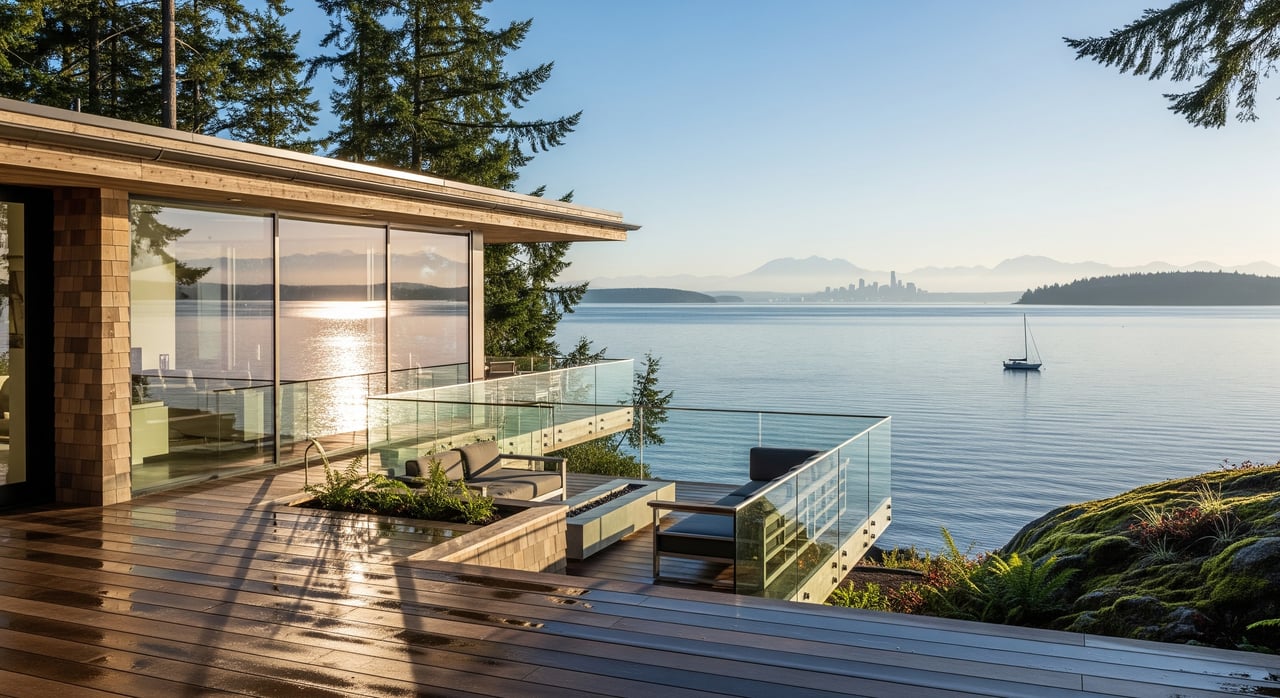
Waterfront value is nuanced. Unobstructed views, beach access, dock rights, lot size, elevation, and shoreline protections all shape pricing. Documentation and permits are critical for long-term value.
What to verify:
- Shoreline permit status for docks, bulkheads, and overwater structures.
- Specialized inspections: seawalls, pilings, erosion, and geotechnical needs.
- Flood zones, elevation certificates, and insurance availability.
- Conservation easements or other restrictions that affect use.
Rolling Bay, Pleasant Beach, Manzanita, Point White, Blakely Harbor
These coastal neighborhoods trade on village ambiance, trail and beach access, and views. Commute convenience, lot size, and microclimate can vary by street. Some areas have ferry shuttle access and different walk zones for schools, which may influence preferences for daily routines.
What to weigh:
- Commute time to Winslow vs space and privacy further out.
- Lot characteristics, tree cover, and solar exposure for design goals.
- Community amenities and access to beaches, parks, and trails.
Rural parcels and new construction
If you want privacy or a custom build, rural parcels can be compelling. Expect a longer timeline and more due diligence on utilities and site constraints. The permitting path is manageable with the right team, but it is not one-size-fits-all.
Key checks:
- Septic feasibility, well or water availability, and power.
- Critical areas, wetlands, and buffers that affect building envelopes.
- Driveway access, grading, and stormwater requirements.
- Soft costs and permit timelines for design, engineering, and reviews.
Ferry life, seasonality, and timing
Commute profile and price dynamics
The Bainbridge–Seattle ferry is the dominant commute route for many residents. Sailing time is commonly cited at about 30 to 40 minutes, not including loading and terminal access. Homes closer to Winslow often carry a premium for buyers who rely on a predictable commute.
Seasonal patterns you can use
Spring typically brings more new listings and active buyers. Summer showcases the island and draws strong traffic, including visitors who decide to buy. Fall and winter can slow activity, which sometimes improves buyer leverage, especially if rates pressure demand or inventory rises.
Negotiating leverage in real time
In low-inventory periods, sellers may command stronger sale-to-list ratios and shorter days on market. Buyers often prepare with clear pricing strategies, escalation language, or appraisal gap cushions with professional guidance. When inventory grows or demand softens, buyers can gain flexibility on contingencies, inspection windows, and credits.
Rules, utilities, and costs that impact value
Shoreline and critical areas
Bainbridge has established shoreline protections and critical areas regulations that guide where and what you can build. Before you make an offer, verify the property’s shoreline classifications and any past or pending permits with the City of Bainbridge Island Planning Department and review permit pathways with the Washington Department of Ecology.
Sewer vs septic considerations
Parts of Winslow and nearby pockets have sewer service, while most of the island relies on septic systems. Septic capacity and condition can affect future renovations and additions. Confirm site-specific details with the city and consult a designer or engineer before finalizing plans.
Flood risk and insurance
Waterfront and low-lying properties can carry flood or erosion risk. Order a flood zone determination and, where needed, an elevation certificate. Contact carriers early to confirm availability and cost for coastal coverage, including any dock or maritime-related needs.
Permitting timelines and construction planning
Building and remodeling can take longer on shoreline or steep lots. Budget time for environmental reviews and possible geotechnical studies. Well-documented, permitted improvements tend to support value at resale.
Taxes, dues, and operating costs
Property taxes are set by local taxing districts. Review levies and assessments with the Kitsap County Assessor. If you are considering a condo, include HOA dues and reserves in your monthly budget. Waterfront ownership may also involve maintenance or moorage costs.
Shop like a local buyer
- Align lifestyle and logistics: rank commute needs vs space, privacy, and views.
- Read the market each week: track inventory, DOM, and price bands that match your budget.
- Tour by ferry schedule: preview neighborhoods at different times of day to gauge traffic and access.
- Prepare documentation: secure proof of funds or financing, and discuss inspection strategies ahead of time.
- Plan due diligence: line up septic, shoreline, and specialty inspections based on property type.
Work with design-forward local expertise
A tailored approach can save you time and help you compete. You benefit from agents who read weekly shifts in supply, understand shoreline and septic issues, and know how condo buildings, docks, and permits affect value. Presentation matters at every price point, and a design-led team can help you see potential and plan improvements with confidence.
If you are exploring Bainbridge Island, we would love to be a resource for you. Connect with us at The Agency Bainbridge Island - Main Site to start a private, strategy-first conversation.
FAQs
How does the Seattle ferry commute affect Bainbridge home prices?
- Proximity to the Winslow terminal often carries a premium for buyers who rely on a predictable ferry commute, while homes farther out may offer more land or privacy.
When is the best season to buy on Bainbridge Island?
- Spring and summer bring more listings and competition. Fall and winter can offer more negotiating room, depending on inventory and interest rates at the time.
What should I inspect on a waterfront property in Kitsap County?
- Inspect shoreline structures like bulkheads and docks, review erosion and flood risks, confirm permit status, and obtain guidance on insurance availability and cost.
Are most Bainbridge homes on sewer or septic systems?
- Many areas use septic systems, while Winslow and select pockets have sewer. Verify service and capacity before planning renovations or additions.
How competitive are Winslow condos compared to single-family homes?
- Winslow condos can move quickly due to walkability and ferry access. Competition varies by building, inventory, HOA strength, and seasonal demand.
What negotiating tactics work in a low-inventory island market?
- Strong preparation is key. Clear pricing strategies and professionally guided terms can help, while periods of higher inventory may open room for concessions or longer inspections.
Where can I find official rules and data for Bainbridge real estate decisions?
- Check market stats at the NWMLS, planning and shoreline rules with the City of Bainbridge Island, ferry schedules at Washington State Ferries, school information via the Bainbridge Island School District, and parcel taxes at the Kitsap County Assessor.