If your perfect weekend blends a gallery opening with fresh-caught seafood and a sunset stroll along working docks, Port Townsend belongs on your short list. This small coastal city pairs a walkable Victorian core with deep maritime roots and a year-round arts community. In this guide, you’ll learn how the arts, marinas, and markets shape daily life, plus practical tips for moorage, renovations, and second-home ownership. Let’s dive in.
Why Port Townsend draws creatives and boaters
Port Townsend sits at the northeastern tip of the Olympic Peninsula, where Port Townsend Bay meets the Strait of Juan de Fuca. The setting delivers water views and easy access to sailing, kayaking, and marine life. Downtown’s preserved 19th-century buildings create a compact, walkable district packed with cafés, galleries, and boutique retail.
You’ll feel the maritime climate in the best ways. Winters are cool and wet, summers are mild, and sea breezes shape outdoor routines. Activity peaks in late spring and summer with festivals and boating season, which can affect parking, restaurant reservations, and short-term rental demand.
Maritime culture and marinas
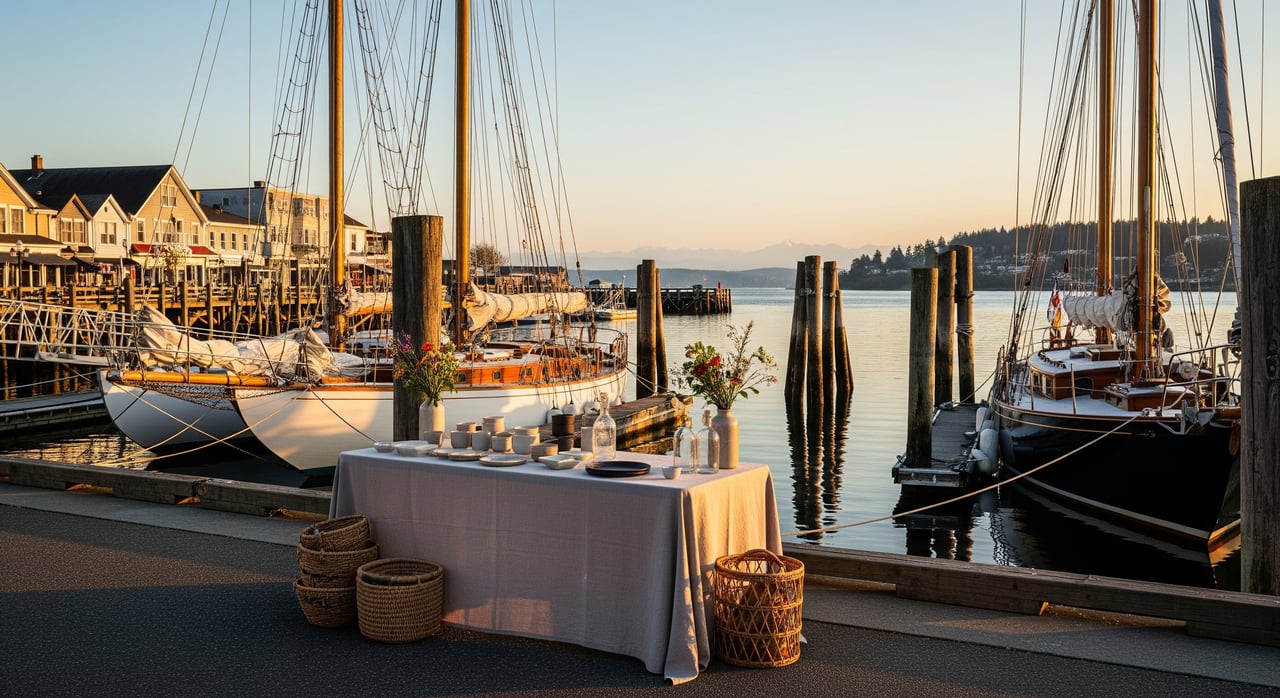
Port Townsend’s waterfront blends recreation with real maritime work. You’ll find boatyards, restoration shops, rigging and marine carpentry, and small-scale commercial fishing alongside visitor docks. Boatbuilding and wooden-boat restoration are part of the local identity, supported by a network of skilled trades.
Where boats live: moorage at a glance
Multiple marinas offer options for transient and long-term berthing, managed by a mix of Port authority, private operators, and city facilities. Slip availability and rates vary by season and vessel size. If a boat is central to your lifestyle, plan ahead and treat moorage as a separate track from your home search.
What to confirm before you berth
- Slip size compatibility for your vessel and any size limits for larger boats.
- Waitlists and estimated timelines for seasonal and year-round moorage.
- Liveaboard policies if you plan extended stays on your boat.
- Upland yard capacity and storage for off-season work.
- Seasonal rate structures and separate contracts outside of homeownership.
Events and seasonal rhythm on the water
Maritime events, from wooden-boat gatherings to workshops and boat shows, bring energy to the waterfront and draw visitors. Expect busier marinas, fuller restaurants, and a lively dockside scene during these periods. For some buyers, that buzz is part of the appeal; for others, it’s a cue to plan around peak weekends.
Arts and cultural life
The arts are a daily part of life here, not just a summer attraction. Galleries, studios, and small performance venues cluster in the Victorian core and at nearby cultural campuses.
Fort Worden: culture meets coastline
Fort Worden State Park, a former coastal artillery base, anchors much of the city’s arts activity. The park houses performance spaces, artist residencies, and classrooms, all set within beaches, trails, and open spaces. It’s a rare combination of creative programming and waterfront recreation in one place.
Festivals, workshops, and residencies
Multi-disciplinary programming throughout the year draws musicians, writers, dancers, and visual artists. You’ll find festivals, film and music events, and writers’ series that welcome both visitors and part-time residents. Workshops and residencies create on-ramps for you to learn, teach, or collaborate.
How part-time creatives plug in
- Sign up for a workshop or short residency to meet peers and test the local rhythm.
- Visit gallery nights and small venues to understand the buyer base and seasonality.
- Explore membership-based arts groups, co-ops, or studios to join the network.
- Research studio availability early; coastal towns often have limited space.
Markets and local food culture
Port Townsend and the wider county celebrate regional producers and seafood. Farmers markets and farm-to-table offerings are community hubs where you’ll meet growers, makers, and neighbors. It’s common to build your weekend around a market run, then return on foot through the Victorian core for coffee or lunch.
Downtown restaurants and cafés lean into seasonal ingredients and local catch. Expect boutique retail alongside galleries that carry work from regional artists. This mix makes the core a natural base for a second home if you value errands and evenings on foot.
Walkable Victorian core and nearby neighborhoods
The historic downtown is compact and highly walkable, with shops, galleries, and eateries within minutes of the waterfront. That walkability is a major draw for buyers who want a pedestrian-oriented lifestyle.
Downtown/Waterfront
This is the commercial and cultural heart, with preserved 19th-century architecture and the highest concentration of shops and dining. You’ll trade easy access for potential parking constraints and livelier weekends when festivals are in full swing. Properties here may fall within historic zones that influence exterior alterations.
Uptown and residential hill areas
A short rise from downtown brings you to quieter residential streets, often with views. You’ll still be close to the core but gain more breathing room and traditional neighborhood patterns. Slope is a factor for daily walks and errands.
Fort Worden and the Point area
Proximity to the park means quick access to beaches, trails, and cultural venues. Homes here feel connected to nature and programming at the park. It’s a good fit if you want recreation and arts within easy reach.
Nearby communities around the bay
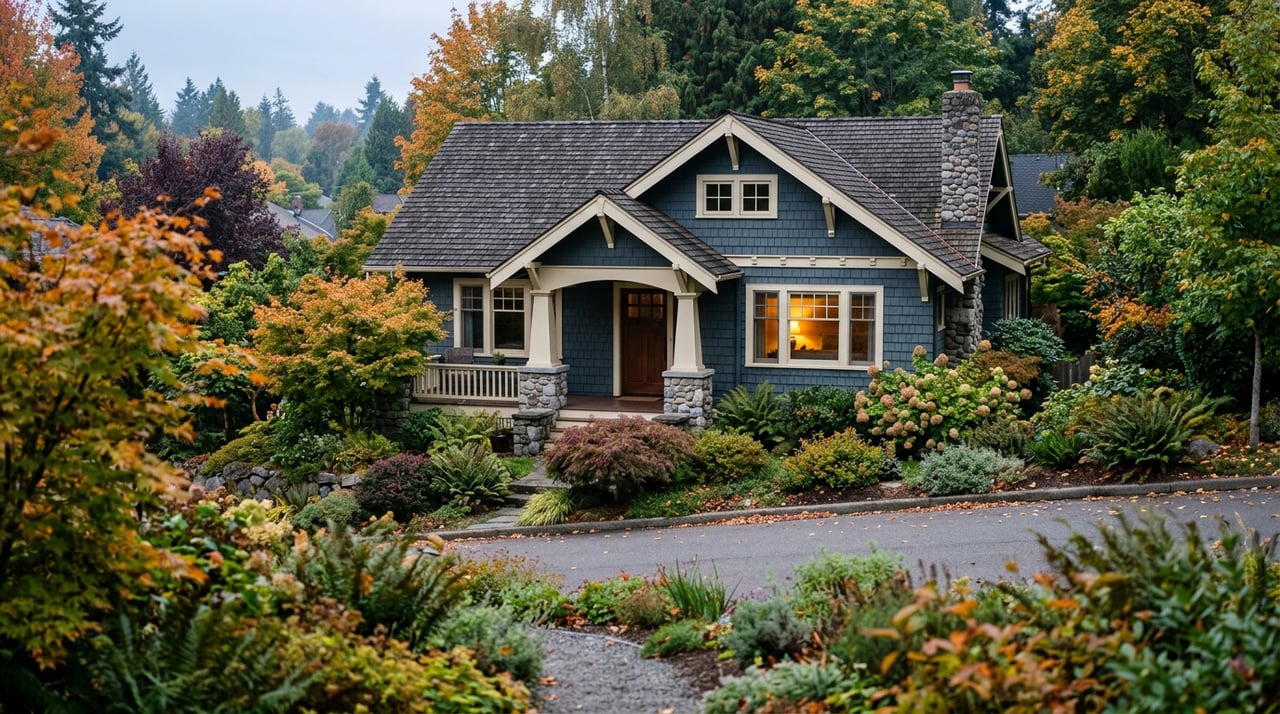
Residential pockets beyond the city center offer additional options a short drive away. These areas can deliver larger parcels or different construction styles compared to the Victorian core. Commute time back to downtown is a practical consideration.
Renovating in a historic district
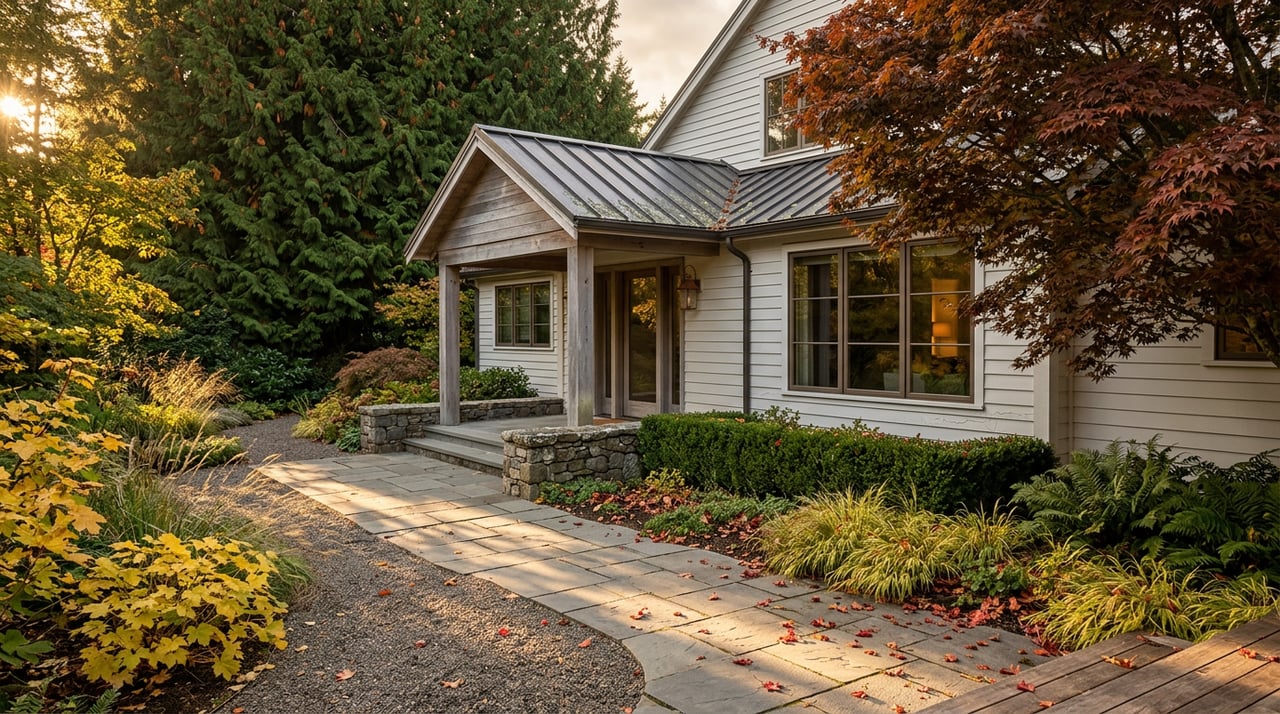
The city’s preservation status protects its character and may shape your plans. In designated historic areas, exterior work can require design review or specific approvals. Build time for permitting into your schedule, especially for signage, façade changes, or additions.
A practical guide for second-home buyers
Port Townsend’s desirability and walkability often mean waterfront or well-located historic homes command premiums. For current pricing and inventory, consult up-to-date MLS data and a Jefferson County real estate professional. As you refine your search, consider the following practical filters.
Short-term rentals and local regulation
- Review city and county rules on STR licensing, zoning, and taxes before you buy.
- Look into neighborhood sentiment and any HOA or community restrictions.
- Consider seasonality; peak festival and boating periods can influence demand.
Utilities, internet, and services
- Confirm sewer vs. septic, especially outside the core, and factor in maintenance.
- Verify broadband options and speeds on the specific street if you work remotely.
- Note seasonal business hours and plan for quieter winter schedules.
Moorage and marine access
- Treat moorage as a separate decision from homeownership; slip transfers are not guaranteed.
- Ask about waitlists, liveaboard policies, and upland yard capacity.
- Check access for your preferred activities, from kayaking to ocean-facing trips.
Healthcare and everyday needs
- Basic health and education services are available locally; specialized care may require travel to larger centers.
- Map grocery and pharmacy access from potential neighborhoods and consider off-season hours.
Transportation and access
- Driving access is straightforward, with connections that may include ferries or longer routes around the south Sound.
- If you travel frequently to Seattle or major airports, budget time for ferry schedules or alternate drives.
Living well by the water
What sets Port Townsend apart is the daily blend of culture and coastline. You can spend the morning walking the beach at Fort Worden, take a workshop in the afternoon, then end the day with a seafood dinner and a quick stop at a gallery. Add a boat into the mix, and weekends start to feel like small adventures.
When you’re ready to explore homes, consider how you want to move through your days. If foot-first living is your goal, focus on the Victorian core and nearby hills. If the park or marinas anchor your routine, widen your search to areas that balance access with privacy.
How we help you buy in Port Townsend
You deserve a thoughtful, design-forward approach to a second home. Our team pairs deep regional expertise with a full-service experience that covers discovery, tour planning, negotiations, and concierge-level coordination through closing. If your purchase involves historic character, we help you plan for preservation considerations, timelines, and presentation.
If a boat is part of your lifestyle, we build a parallel moorage plan and align property tours with marina research. For creatives, we focus on neighborhoods and spaces that support your work and connect you with the local arts network. Ready to explore? Schedule a private consultation with The Agency Bainbridge Island - Main Site.
FAQs
How walkable is Port Townsend’s downtown year-round?
- The Victorian core is compact and pedestrian-friendly, with shops, galleries, and eateries clustered near the waterfront; expect busier sidewalks and tighter parking in peak seasons.
Are there historic-district rules that affect renovations?
- Yes. In designated historic areas, exterior changes can require design review or approvals, which may extend timelines; plan permitting into your purchase and project schedule.
What should I know about boat moorage before buying?
- Evaluate slip size, waitlists, liveaboard policies, seasonal rates, and upland storage; treat moorage as a separate decision from the home purchase.
How do festivals and boating season impact daily life?
- Visitor traffic increases in late spring and summer, which can affect parking, restaurant waits, and short-term rental demand; many residents plan errands and hosting around peak weekends.
What are current short-term rental regulations in Port Townsend?
- Rules can change, so review city and county requirements for licensing, zoning, and taxes before buying; also check neighborhood and HOA restrictions.
Is reliable broadband available for remote work?
- Broadband coverage varies by street and neighborhood; verify providers and speeds at the property level during due diligence.